Endometriosis Care is Evolving
Ground-breaking Endometriosis Research: What’s Changing for Women in Ireland
A New Era for Endometriosis in Ireland
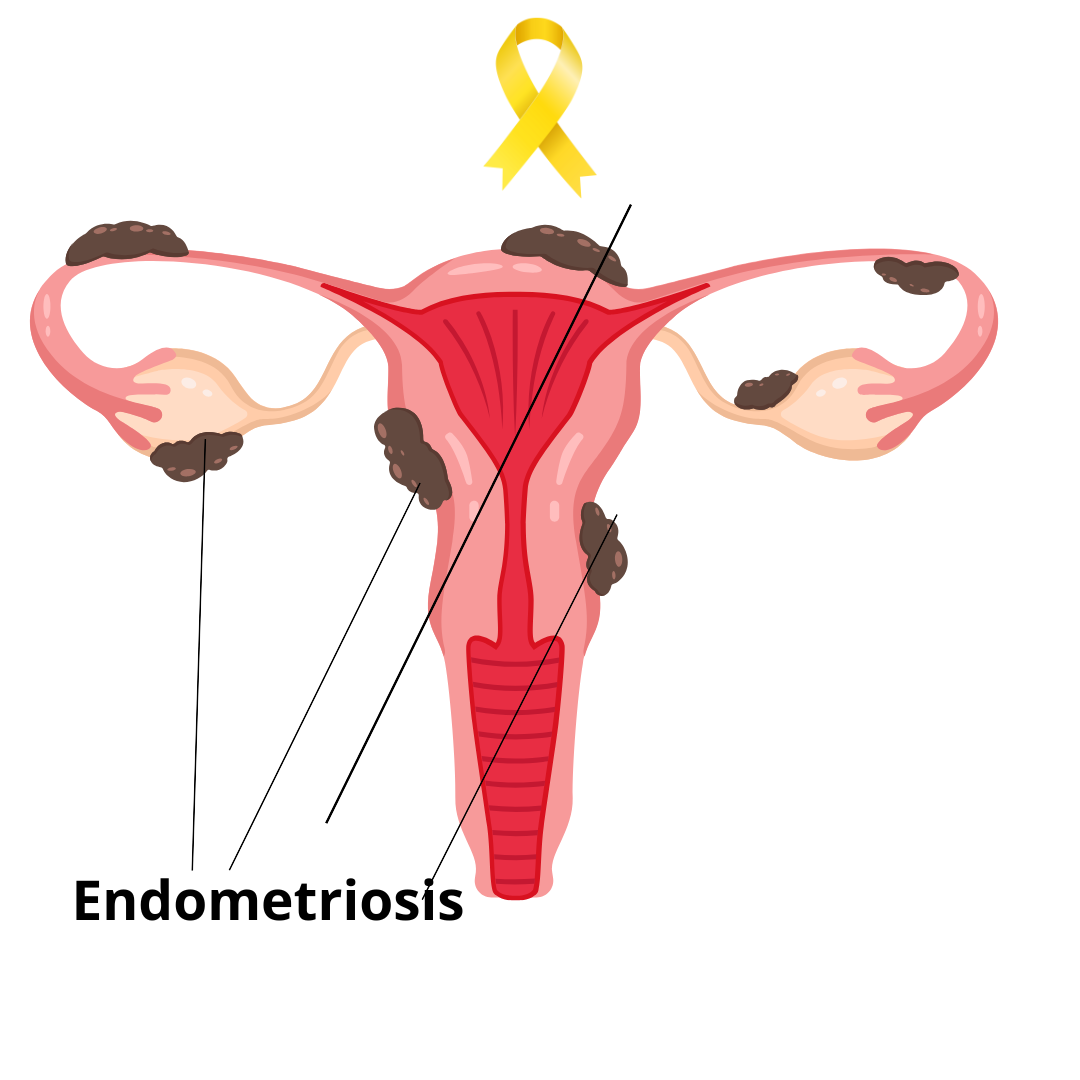
As someone who has walked this path, both personally and professionally, I know the pain, frustration, and isolation that endometriosis can bring. For too long, women in Ireland have been told their symptoms were "just bad periods" or dismissed entirely. But the tide is turning. Research, policy, and public awareness are finally catching up with what women have known all along: endometriosis is a complex, systemic condition that impacts every aspect of life - fertility, relationships, work, and well-being.
And here’s the good news: Ireland is beginning to listen !
🔍The New Science: Why Endometriosis Is Finally Being Taken Seriously
For years, women waited an average of 9 years for a diagnosis, often enduring excruciating pain and fertility struggles in silence. Laparoscopy was the only "definitive" way to confirm endometriosis, leaving many without answers, or relief, for far too long.
But the landscape is changing. International guidelines now support a presumptive, non-invasive diagnosis based on symptoms, clinical examination, and imaging. This means treatment can start earlier, without the lengthy wait for surgery. This shift aligns with Ireland’s own National Endometriosis Framework, launched in October 2025, which recognises that your pain is real, urgent, and deserves immediate attention.
"Endometriosis is a chronic inflammatory condition, not a normal part of menstruation. Early recognition and treatment are essential to protect quality of life and fertility."
— ESHRE Guideline Development Group on Endometriosis
🧬The Genetic Breakthrough
In 2026, the largest genetic study of endometriosis to date, involving over 1.4 million women, identified 80 genetic regions linked to the disease - 37 of which, were previously unknown. This research doesn’t just confirm that endometriosis is a biological condition; it paves the way for targeted treatments, including repurposing existing medications for hormone-related conditions. For women planning a pregnancy, this could mean personalised care pathways that balance pain relief with fertility goals.
💡 If endometriosis runs in your family, tell your GP or fertility specialist. Genetic research shows a strong inherited component.
🩸The Cellular and AI Revolution
Scientists are now mapping endometriosis at a cellular level. A recent "atlas" of endometrial and endometriosis tissue reveals how inflammation, blood vessel growth, and nerve signalling interact in the disease. Using this data, researchers have built AI models that can predict disease severity from just 11 genes. This kind of precision medicine could soon allow us to move beyond one-size-fits-all hormonal treatments, tailoring care to specific subtypes of endometriosis, especially those that impact fertility, like deep infiltrating disease or ovarian endometriomas.
Towards Earlier, Gentler Diagnosis
One of the most exciting advancements is in non-invasive diagnosis. A 2026 review highlighted the progress in advanced ultrasound, MRI, blood biomarkers, and even AI tools that can interpret scans more accurately than humans. While laparoscopy remains important for certain cases, it is no longer the only path to being believed or treated.
"Transvaginal ultrasound, in expert hands, can detect deep endometriosis with high sensitivity and specificity, reducing the need for diagnostic surgery in many cases."
— Guerriero et al., International Deep Endometriosis Analysis (IDEA) Group
The Future of Imaging: SPECT-CT
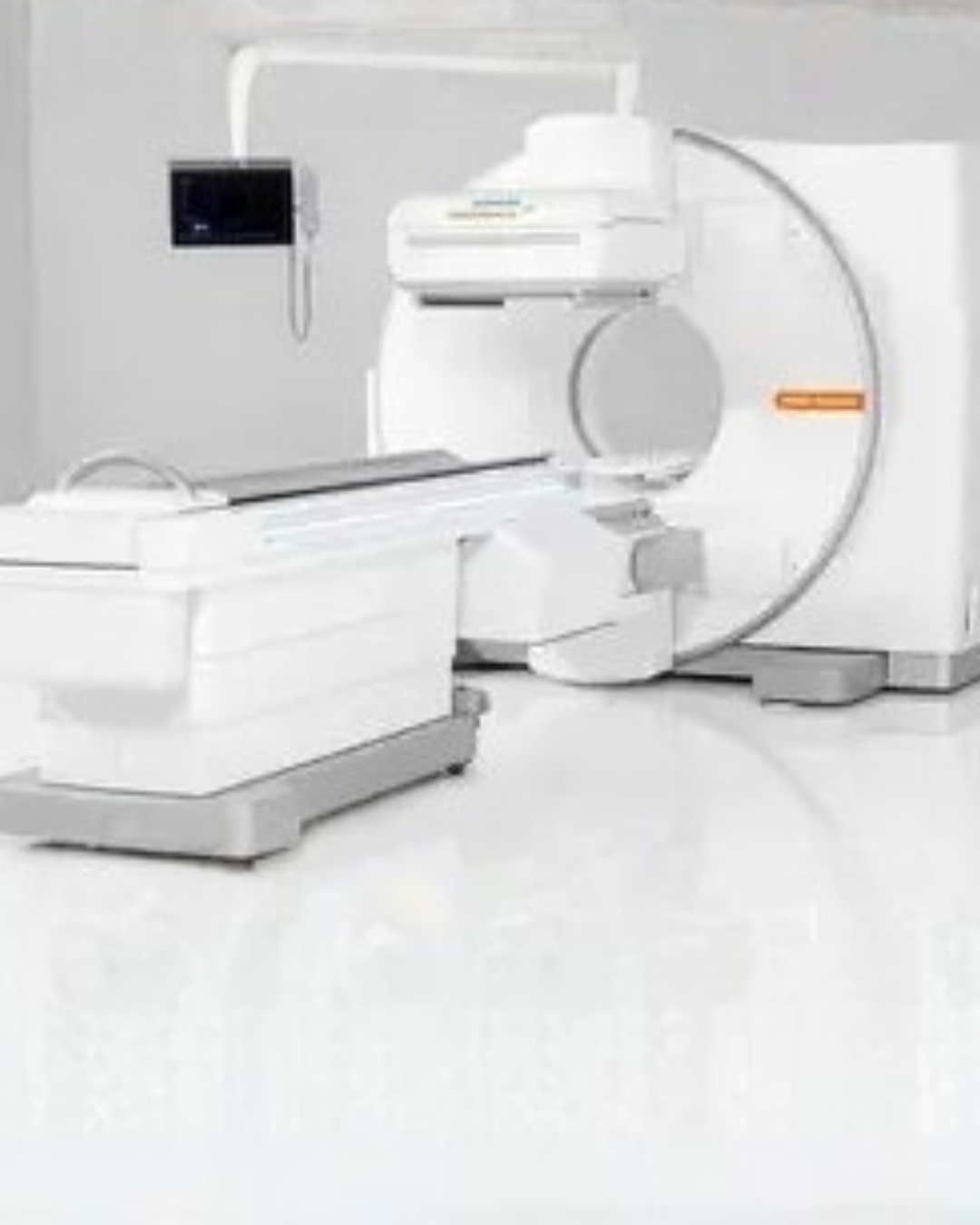
A ground-breaking new imaging technique, SPECT-CT, uses a radiopharmaceutical agent that binds to blood vessels in endometriosis lesions. It produces 3D colour maps overlaid onto detailed black-and-white anatomical images. In early trials, it correctly identified endometriosis in 84% of women, including lesions often missed by ultrasound or MRI. Phase III trials are underway, and if successful, this could become a widely available, non-surgical diagnostic tool, helping women access earlier, more accurate care.
The Gut-Immune-Pelvic Connection
Research is also uncovering the gut-immune-pelvic axis, showing how gut microbes, immune responses, and pelvic inflammation are closely linked in deep infiltrating endometriosis. This explains why so many women experience bowel symptoms, bloating, food sensitivities, and fatigue alongside pelvic pain. It also supports the role of nutrition, gentle movement, and nervous system support as part of a holistic care plan, especially for those navigating fertility, where we want to avoid long-term hormonal suppression.
💖New Treatment Directions: Beyond "Masking" Symptoms
The future of endometriosis treatment is moving towards personalisation. International trials are refining the use of oral GnRH antagonists for moderate to severe pain, showing benefits for both menstrual and non-menstrual pelvic pain. The focus is now on individualised therapy, combining evidence on what's going on for each woman -whether she’s trying to conceive, wants to avoid certain side effects, or has other health conditions.
"Management of endometriosis-associated pain should be tailored, using shared decision-making to balance efficacy, side-effects, and reproductive goals."
— American College of Obstetricians and Gynecologists (ACOG)
Non-Hormonal Treatments on the Horizon
Perhaps the most exciting development is the emergence of non-hormonal medications that target endometriosis tissue directly. Early-phase trials of drugs like Endo-205 are exploring ways to shrink or stabilise lesions without suppressing the entire hormonal system. While these treatments aren’t yet widely available, they offer hope for a future where we can manage pain and protect fertility more gently and effectively.
What’s Changing in Ireland: From Silence to a National Framework

Ireland’s approach to endometriosis has transformed dramatically in just a few years.
In October 2025, the Department of Health and the HSE launched Ireland’s first National Endometriosis Framework. This is a structured pathway from your GP to specialist centres. This framework explicitly supports a presumed diagnosis based on symptoms and imaging, so women no longer have to wait years for surgery to be taken seriously.
A Network of Care
Under this framework, Ireland is developing a network of regional endometriosis centres, including:
Rotunda Hospital
Coombe Hospital
University Hospital Limerick
Galway and the National Maternity Hospital (in development)
Two supra-regional centres in Tallaght and Cork will handle complex cases. Dedicated funding has allowed for the recruitment of 65 additional staff, including gynaecologists, nurses, physiotherapists, and psychologists. This is an 180% increase in the workforce focused on endometriosis. For women with severe bowel involvement, colorectal surgeons have been appointed in Cork and Tallaght, ensuring safe, fertility-conscious surgery.
Accessing Care Abroad
Recognising that capacity in Ireland is still limited, the HSE has created the Endometriosis Surgery Abroad Interim Scheme (ESAIS). Since late 2025, this scheme has enabled women to access specialist surgery in other European centres when needed. Over 19 women have already been treated, with more applications in progress.
🎓Education, Advocacy, and Research: Supporting Irish Women Earlier
Endometriosis doesn’t start at 30. Symptoms often begin in the teenage years.
That’s why the HSE’s MISE programme (Menstrual Information Specialising in Endometriosis) is so vital. Adapted from a New Zealand model, it brings age-appropriate menstrual and endometriosis education into schools, sports clubs, and workplaces across Ireland. With diagnosis delays averaging 9 years, helping young people recognise when period pain is not normal is one of the most powerful tools we have.
For more information see; MISE Endometriosis Education Ireland HSE Delivered - Menstrual Information Specialising in Endometriosis. Empowering Endometriosis Education
A National Awareness Campaign
A national menstrual health and endometriosis awareness campaign is in development, and GPs and hospital clinicians are receiving targeted training on the new framework and available services. An Endometriosis Priority Actions Advisory Group, including clinicians, policymakers, and patient advocates, now meets regularly under the Women’s Health Taskforce to ensure women’s voices remain central to decision-making.
☘️Ireland on the Global Stage
At a European level, Ireland will host the International Conference on Gynecology and Endometriosis Research on the 7th December 2026. The aim is to bring international attention, and hopefully further resources to the issue of endometriosis.
Research Funding and Collaboration
Dedicated funding for women’s health research, including endometriosis, has finally been ringfenced, with €2 million allocated to support new projects. Trinity College Dublin has launched an interdisciplinary partnership with hospitals like Tallaght University Hospital and advocacy groups such as Endo Ireland to drive innovation in diagnosis and care.
Community, Compassion, and Your Next Steps
None of these advances would be possible without the courage of women who have campaigned, protested, and shared their stories. Organisations like the Endometriosis Association of Ireland (Endo Ireland) continue to provide information, peer support, and guidance on navigating the health system and cross-border care.
💡Tip: Keeping a simple symptom and cycle diary (tracking pain, bleeding, bowel/bladder symptoms, and fatigue) can make your consultations with your GP or fertility specialist far more productive.
As a holistic theapist specialising in fertility, I align with this growing ecosystem of support. In our community, we combine up-to-date medical evidence with gentle, fertility-focused strategies: cycle tracking, nutrition, pelvic floor support, and emotional care that honours the grief and frustration many women carry.
The research is clear: endometriosis is not "in your head." It is a complex, systemic condition with genetic, immune, and hormonal roots. The Irish system isn’t perfect yet. Waiting lists remain long, and access can feel like a postcode lottery, but the direction is finally right.
🌹And one last note, You Deserve to Be Heard.... Now !
If you recognise yourself in any of this—heavy or painful periods, pain with sex, bowel or bladder symptoms, fatigue, or difficulty conceiving—please know: You deserve to be heard now, not in ten years’ time.
Bring this knowledge to your GP.
Ask about the national pathway.
If you’re navigating fertility, reach out for specialist support.
You are not being dramatic. You are living with a condition that the world is finally beginning to understand—and you deserve care that reflects that.
Are You Ready to Connect, Share, and Bloom Together?
If this resonates with you, I’d love for you to join our Free Womb & Bloom Community, where we explore all things womb and women’s wellness: fertility, pregnancy, menopause, and beyond. Here, you’ll find support, wisdom, and a sisterhood of women who truly understand your journey.
👉 Join the Womb & Bloom Community here
Let’s grow, heal, and bloom together.
With love and moonlit blessings,
Catherine 🌹

Disclaimer
The information shared here is intended solely for educational and informational purposes. It is not medical advice, diagnosis, or treatment of any kind. I am a Reflexologist specialising in Fertility and Pregnancy, Soulful Doula, EFT Practitioner, Yoga Teacher, Womb Shaman, Fertile Body Method Practitioner, and Women’s Health Coach. All guidance provided here is offered to support your personal empowerment and self-awareness.
You are encouraged to tune into your own body wisdom. Your body and womb space always know what is best for you. However, if you are experiencing specific health concerns or conditions, please seek the advice and care of a qualified medical or healthcare practitioner.
Always trust yourself and follow what feels right and true for you.Further Reading and Irish Resources


